Cart
0
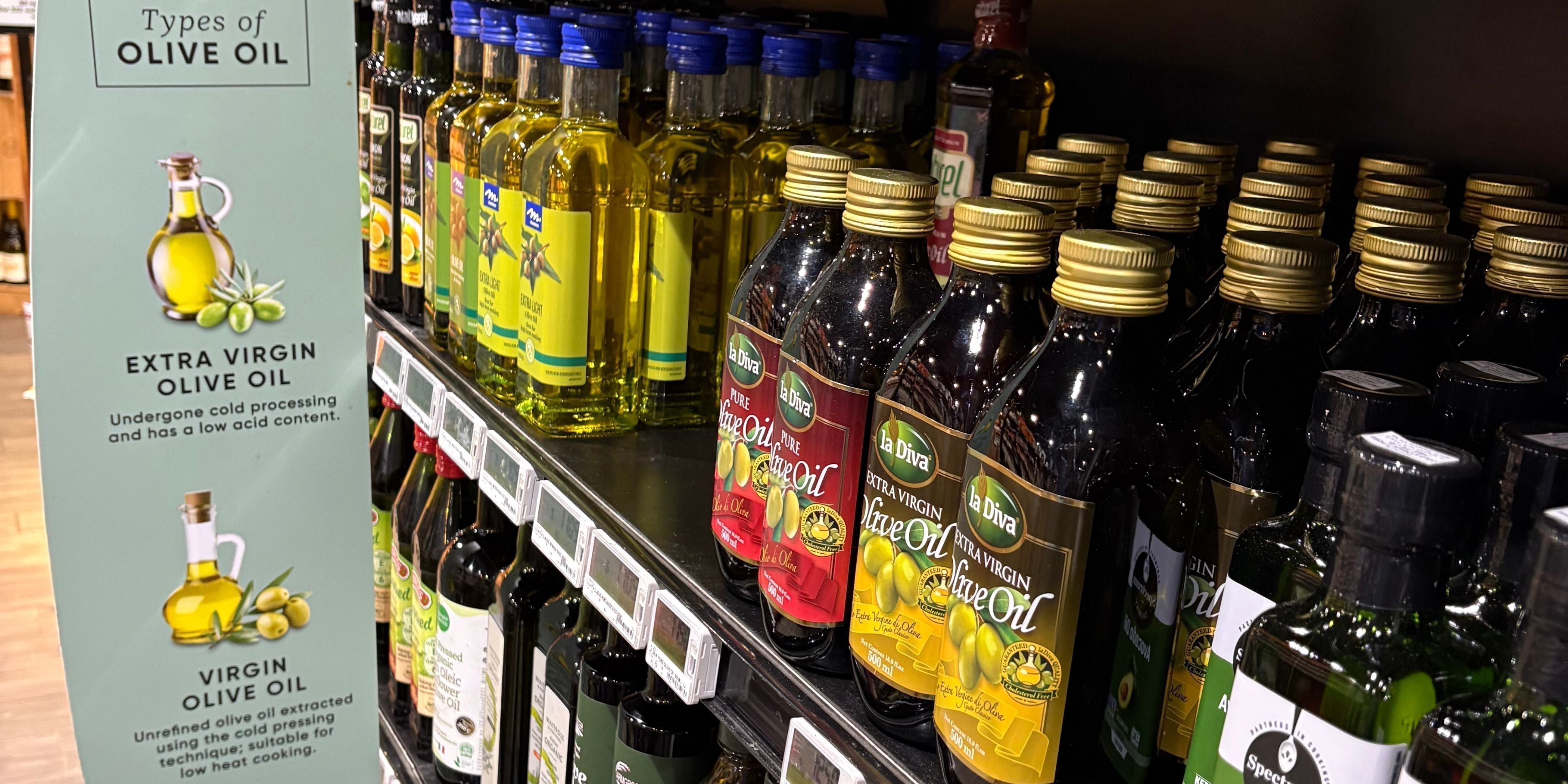
Walk into any supermarket in Singapore and you'll find a whole aisle of olive oil. Italian flags. Words like pure, light, premium, cold pressed. Prices from a few dollars to more than a good bottle of wine.
So which one do you pick?
We're lucky in Singapore. As a city that imports almost everything it eats, it gives us access to oils from every corner of the Mediterranean, in shops and online. But that choice comes at a price: it's hard to tell the real thing from a clever label.
We're a family of olive oil producers from Molise, in southern Italy, and we've been pressing oil in our town since 1943. We've also been buying it on Singapore shelves for years, as customers. Here's what we've learned about what those labels really mean, and how to choose an extra virgin olive oil (EVOO) that's worth your money.
Why is buying olive oil in Singapore so confusing?
There are three reasons, and none of them is your fault.
#1 Every bottle has travelled a long way. Singapore grows no olives, so every drop is imported. Some oils spend months in containers and warehouses before they reach the shelf, and then sit under bright supermarket lights in a 30°C city. Heat, light and oxygen are the three enemies of olive oil, and a long journey gives all three plenty of time to work.
#2 The label words sound alike but mean very different things. "Extra virgin", "pure" and "light" all say olive oil on the front. Only one of them is the natural juice of the olive. We explain each term below.
#3 Not every bottle tells the truth. That may shock you, and so it should. In 2015, prosecutors in Turin investigated seven well-known Italian brands after tests suggested that oils sold as extra virgin did not meet the standard. The case made headlines here too: The Straits Times published a guide to what to look out for when you buy.
The good news is that once you know what to look for, the confusion disappears quickly.
What the label words really mean
Let's be clear about one thing: there is only one grade worth buying for flavour and health, and that is extra virgin. Here's how to read the rest of the label.
|
On the label |
What it really means |
Our advice |
|---|---|---|
|
Extra virgin |
The highest grade: pure olive juice, extracted mechanically, with acidity of 0.8% or less and no taste defects |
The one to buy |
|
Virgin |
Made the same way, but with small flaws in taste or higher acidity |
Rare in shops; second best |
|
Pure / Olive oil |
Mostly refined oil, treated with heat and chemicals, with a little virgin oil added back for colour and taste |
Avoid if you want the benefits |
|
Light / Extra light |
Refined oil. "Light" refers to colour and flavour, not calories |
Avoid |
|
Cold extraction |
Extracted by centrifuge below 27°C, under EU rules |
A good sign on an extra virgin oil |
|
First cold pressing |
Pressed below 27°C on a traditional hydraulic press, under EU rules |
Fine, but rare today: most good mills use centrifuges |
|
Italian / Product of Italy |
Should mean the olives were grown and milled in Italy |
Check the small print (see below) |
|
Premium, gourmet, finest |
Marketing words with no legal meaning |
Ignore them |
Want the full story on refining? Read why extra virgin olive oil is far better than refined olive oil.
The "Italian" trap
This is where most people get caught. Under EU labelling rules, a bottle must say where its oil comes from. But "Italian" can appear on the front of a bottle that, in the small print, reads "blend of olive oils of European Union origin" or even "blend of olive oils of European Union and non-European Union origin". In other words, olives from several countries, bottled in Italy.
There's nothing illegal about a blend. But if you're paying for authentic Italian olive oil, look for a single country on the back label, and ideally a specific region, such as Molise, or a PDO seal (Protected Designation of Origin).
How to choose: the short version
When you're standing in the aisle, or scrolling an online shop, these four questions sort the good from the doubtful in under a minute:
- Does it say extra virgin? If not, put it back.
- Is there one clear origin on the back? One country, ideally one region or one producer. "Blend of EU oils" means you don't really know where it's from.
- Is it in dark glass or a tin? Clear bottles let light in, and light destroys the antioxidants.
- Does the producer share its numbers? Serious producers publish acidity and polyphenol results. Ours are in our Harvest Report.
Then trust your mouth. Good extra virgin olive oil smells fresh and green, and leaves a peppery sting at the back of your throat. Flat, greasy or stale means old or refined.
Read also: How to Tell Real Extra Virgin Olive Oil from Fake: A Singapore Buyer's Checklist, our full 7-point guide.
Where to buy olive oil in Singapore
You have three main options, and each has its trade-offs.
Supermarkets. Convenient, with the widest choice of brands. The catch: you rarely know how long a bottle has been on the shelf, or how warm the warehouse was. Choose shops with high turnover and reach for bottles at the back of the shelf, away from the lights.
Specialty and gourmet stores. Often better curated, sometimes imported directly from Italy, and the staff can usually tell you more. Prices are higher, so the same label checks apply.
Online, direct from the producer. This is how we sell, so we'll be honest about why we believe in it. When you buy from the people who make the oil, there's no long chain of middlemen and no months in a distributor's warehouse. You know exactly who made it, where, and when. In Singapore, we deliver in 2 to 3 working days, with free shipping on orders over $50.
Whichever you choose, remember the advice we give everyone: buy a size you'll finish within 2 to 3 months of opening. In Singapore's heat, a smaller fresh bottle beats a big one that sits half-empty in the cupboard. Our guide to storing olive oil in Singapore explains why.
What "authentic" means to us
In Colletorto, our town in Molise, most of the olives we mill belong to small farmers who keep the oil for their own families. They would never spray their trees with chemicals they'd then pour on their children's plates. That's why our oil is the way it is. It's no accident.
Here is what you get in every bottle of Timperio:
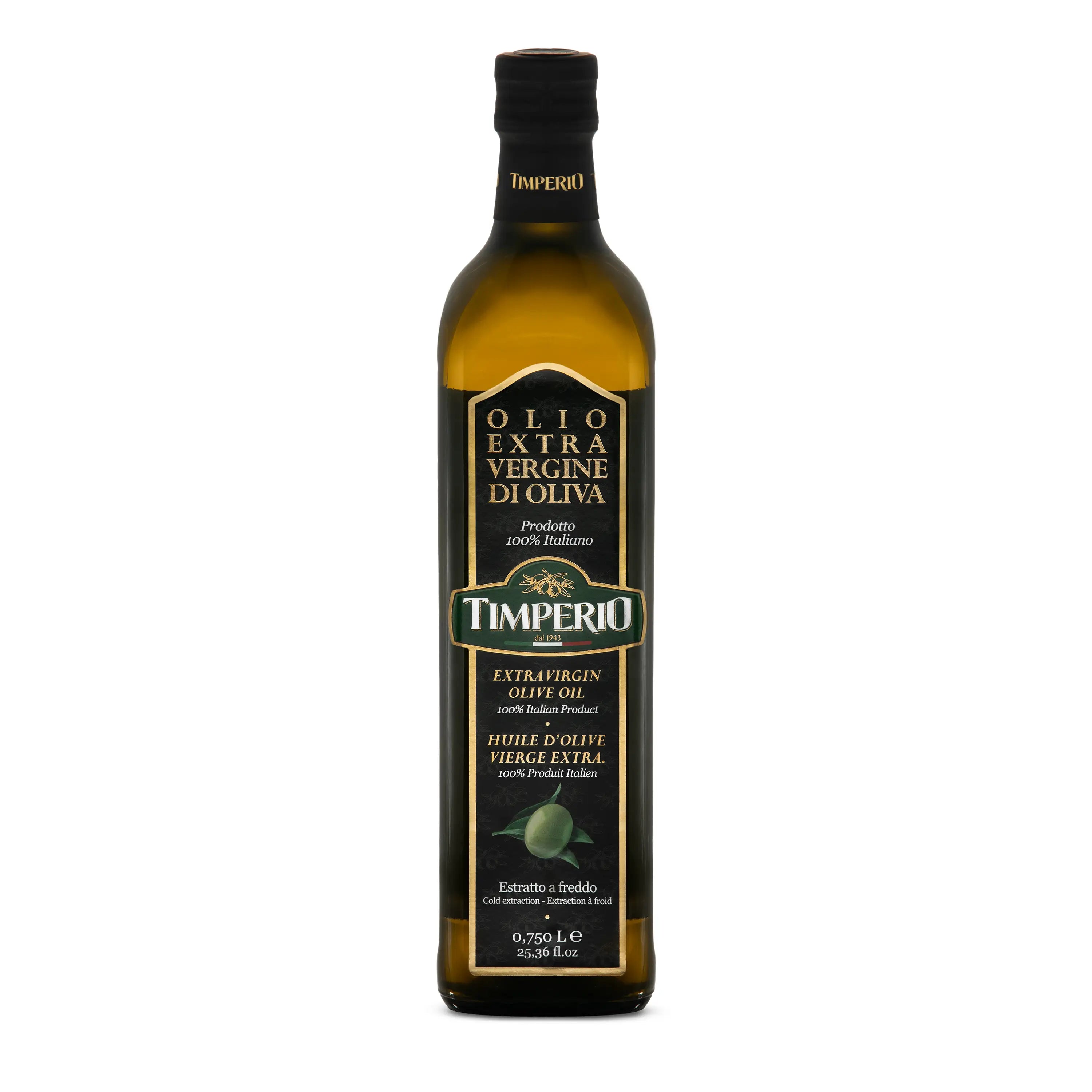
- One origin: Gentile Nera olives from Colletorto, Molise. No blends.
- Milled within 12 hours of harvest, by cold extraction below 27°C. Nothing is added or taken away.
- Acidity of 0.18–0.2%, well under the 0.8% limit for extra virgin.
- About 600 mg/kg of total polyphenols in our Nobile (2025 harvest, tested November 2025), the antioxidants behind that peppery kick.
- Dark glass bottles, and delivery straight from us to your door.
You can read more in what makes a superb extra virgin olive oil.
FAQ: buying olive oil in Singapore
What's the best extra virgin olive oil in Singapore? The best one is fresh, from a single named origin, extra virgin, in dark glass, from a producer who publishes its lab results. Then choose by taste: an early-harvest oil like our Nobile is bold and peppery, while a late-harvest oil like our Gentile is rounder and gentler.
How do I know if olive oil is really Italian? Turn the bottle around. Look for one country of origin, ideally a named region or producer, or a PDO seal. "Blend of olive oils of European Union origin" means the olives came from more than one country.
Is "pure olive oil" better than extra virgin? No. Despite the name, pure olive oil is mostly refined oil. Extra virgin is the only grade that keeps the natural flavour and antioxidants of the olive.
Is cold pressed the same as extra virgin? No. Cold pressed (or cold extraction) describes how the oil was made. Extra virgin describes its grade and quality. A good oil should be both.
Why do olive oil prices vary so much? Refined and blended oils are cheap to produce. Real extra virgin costs more because it depends on healthy olives, fast milling and careful storage. A high price alone doesn't guarantee quality, though, so check the label.
Can I buy authentic Italian olive oil online in Singapore? Yes. Buying direct from the producer is often the freshest option. We ship across Singapore in 2 to 3 working days.
To sum up
Buying authentic Italian olive oil in Singapore is confusing because the labels are designed to sound alike. Once you know the words that matter (extra virgin, one origin, dark glass, a producer who shares its numbers) and the ones that don't (pure, light, premium), the choice becomes simple. Simple is almost always best.
In Molise, our family has been protecting this liquid gold for generations. We'd love for you to taste the difference.
Try it today. For drizzling and salads, choose our Nobile, bold and peppery. For everyday cooking, our Gentile, round and balanced. New to Timperio? Singapore customers can claim a free trial pack and taste it before committing.
Want to learn more? Read our expert tips for buying and storing extra virgin olive oil or the Nobile vs Gentile comparison.